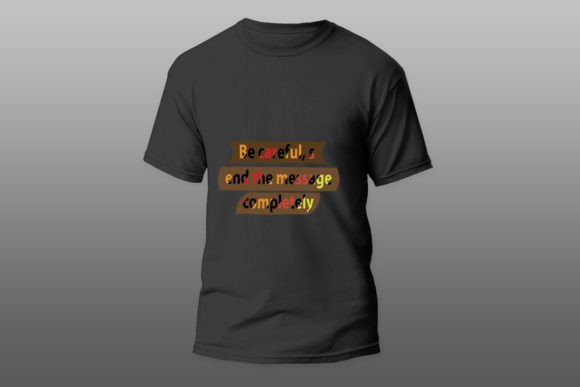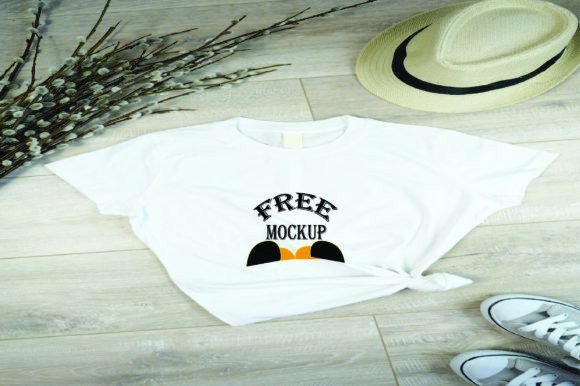
Reviewing the Free Mockup Svg T-Shirt Design for Embroidery
As a designer who has spent countless hours digitizing patterns and testing them on everything from delicate silk to heavy denim, I approach any new Free Mockup Svg T-Shirt Design with a mix of curiosity and caution. We often see these assets marketed strictly as digital graphics for print-on-demand services, but the savvy craft entrepreneur knows that a well-structured vector file can be the foundation of a stunning machine embroidery project. Today, I am evaluating this specific design not just as a flat image, but as a potential candidate for real-world stitching, client work, and handmade product lines.
First Impressions: Visual Personality and Layout
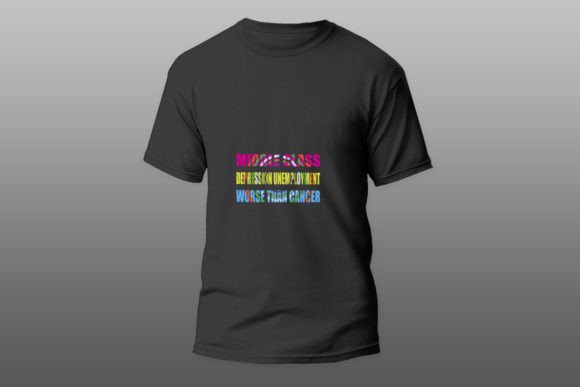
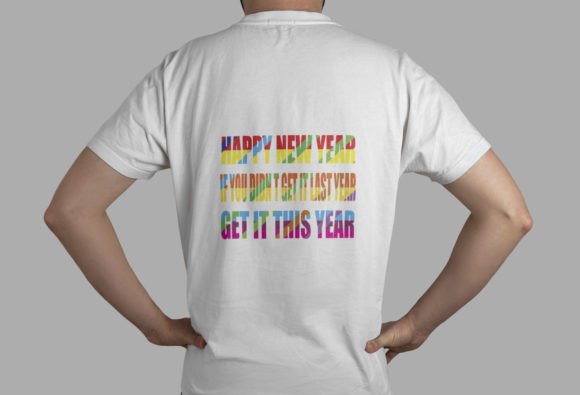
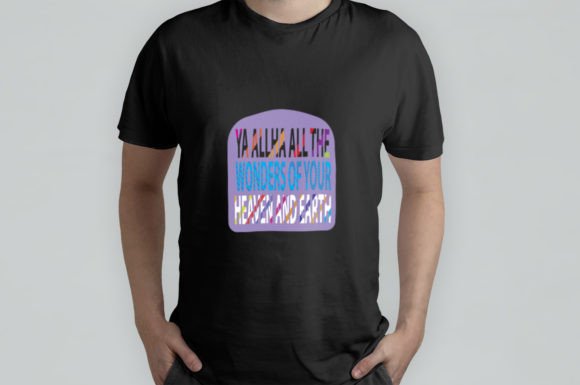
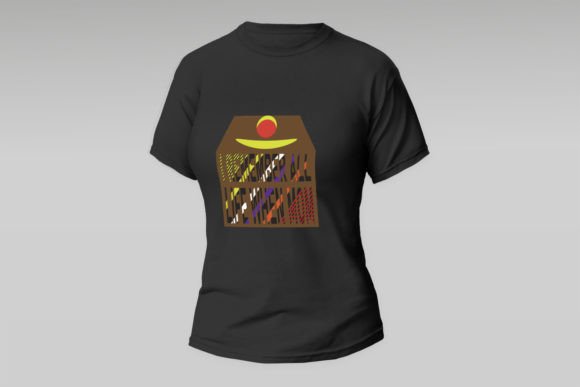
When I first opened the files included in this package—specifically the SVG and EPS formats—I was looking for clean lines and logical shape hierarchy. For embroidery, chaos is the enemy. A design that looks busy on screen can become a tangled mess of thread breaks and bird nests under the needle. This particular Free Mockup Svg T-Shirt Design presents a balanced layout. The shapes are distinct, which suggests that converting them into an embroidery file would allow for clear separation between color blocks.
The mood of the design is versatile. It does not scream for attention with overly complex gradients or microscopic details that simply cannot translate to thread. Instead, it offers a bold, graphic quality that works well for modern apparel. For those of us creating T-Shirt Designs or expanding into embroidered goods, this simplicity is a virtue. It means the design can scale up for a sweatshirt back or down for a pocket logo without losing its integrity.
Real-World Application: From Digital File to Stitched Product
To truly test the viability of this asset, I imagined a specific scenario: a custom order for a local boutique needing branded tote bags. The client wanted something eye-catching but durable. Using the Free Mockup Svg T-Shirt Design as a base, I visualized how it would look as an applique design. Applique is often the best route for larger graphic vectors because it reduces stitch count and prevents the fabric from puckering.
If you are an Etsy seller or a small shop owner, consider how this design performs on different substrates. On a canvas tote bag, the bold lines would stand out beautifully against the textured weave. However, if you were to place this same design on a thin, stretchy baby onesie, you would need to be meticulous. The design’s structure suggests it could handle a satin stitch border effectively, giving it a premium, finished look. For holiday embroidery projects, such as personalized pillow covers or aprons, the graphic nature of the file allows for creative color swaps. You are not locked into a single palette; the vector nature of the SVG and DXF files means you can easily recolor elements to match seasonal threads.
Considerations for Curved and Textured Surfaces
One area where many designers stumble is assuming a design will look the same on a cap as it does on a flat t-shirt. This Free Mockup Svg T-Shirt Design requires careful consideration when applied to curved surfaces like baseball caps or beanies. The width of the design elements matters. If the central motif is too wide, it will distort around the curve of the crown. I recommend measuring your hoop size carefully before digitizing. For caps, you might need to simplify the outer edges or reduce the overall width to ensure the design sits flat and does not pull at the seams.
Furthermore, texture plays a huge role. If you are stitching this onto a fluffy towel or a thick fleece sweatshirt, the finer details might get lost. In these cases, I advise increasing the stitch density slightly or opting for a fill stitch rather than a running stitch for the interior colors. This ensures the design remains visible and tactile, enhancing the perceived value of the handmade product.
Technical Performance and Stitching Clarity
While the provided files are SVG, EPS, PNG, and DXF, they are not native embroidery files like PES or DST. This is a crucial distinction for beginners. You will need to use embroidery software to convert these graphics into a machine-readable format. During this conversion process, pay close attention to stitch density. A common mistake is letting the software auto-generate too many stitches in small areas, leading to a stiff, cardboard-like feel in the finished product.
For commercial embroidery projects, consistency is key. I recommend testing the design on scrap fabric first. Check how the thread colors contrast against your chosen background. A design that pops on white cotton might disappear on navy blue fleece. Use the PNG files included in the pack to create quick black-and-white mockups. This helps you verify that the silhouette remains recognizable even without color. If the design relies solely on color differentiation to define its shapes, it may not be suitable for monochromatic stitching or dark fabrics without significant modification.
Practical Designer Notes for Best Results
- Stabilizer Selection: Always use the appropriate stabilizer. For stretchy fabrics like t-shirts, a cut-away stabilizer is essential to prevent distortion after washing. For woven fabrics like tote bags, a tear-away might suffice, but test first.
- Hoop Size Verification: Confirm that the scaled design fits within your machine’s maximum hoop size. Do not assume the default size is optimal; resize based on the garment.
- Thread Quality: Use high-quality polyester or rayon threads. Cheap thread can break frequently, especially in dense fill areas, ruining the professional look of your custom apparel.
- License Check: Before selling finished items or digital products derived from this Free Mockup Svg T-Shirt Design, always read the specific license terms. "Free" does not always mean "commercial use allowed."
Enhancing Brand Value and Customer Trust
Why go through the trouble of embroidering a design that is available as a simple print? The answer lies in perceived value. An embroidered item feels substantial, luxurious, and durable. When a customer receives a personalized gift featuring this design stitched in high-quality thread, it signals effort and craftsmanship. This builds trust in your brand. For craft business owners, offering embroidered versions of popular graphic designs can differentiate your small shop product from the sea of mass-produced printed goods.
The versatility of this design allows it to serve multiple roles in your inventory. It can be a subtle chest logo on a corporate polo, a bold statement on a nursery decor item, or a festive accent on holiday gifts. By mastering the transition from digital graphic to physical stitch, you elevate the design from a simple image to a tangible asset. Whether you are creating an embroidered patch for a jacket or a full-back design for a hoodie, the clarity of the original vector file supports high-quality output.
In conclusion, the Free Mockup Svg T-Shirt Design is a robust starting point for embroidery enthusiasts and professionals alike. It offers the flexibility needed for various fabrics and products, provided you approach the digitization and stitching process with care. By respecting the limitations of thread and fabric, and by leveraging the clean lines of the source graphics, you can create stunning, sellable items that resonate with customers. Remember, the best embroidery projects are those where the technical execution enhances the artistic intent, turning a simple download into a cherished handmade treasure.